Minimalist Line Art Flower Embroidery Review
First Impressions: Simplicity Meets Sophistication
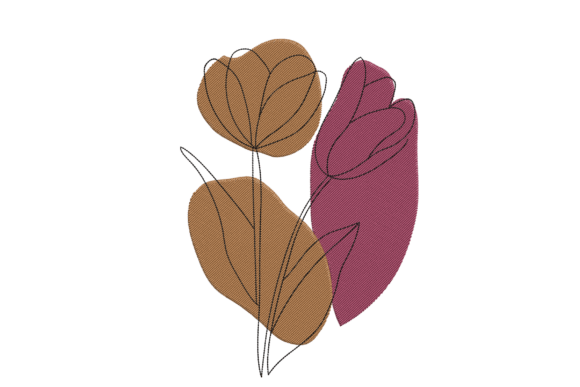
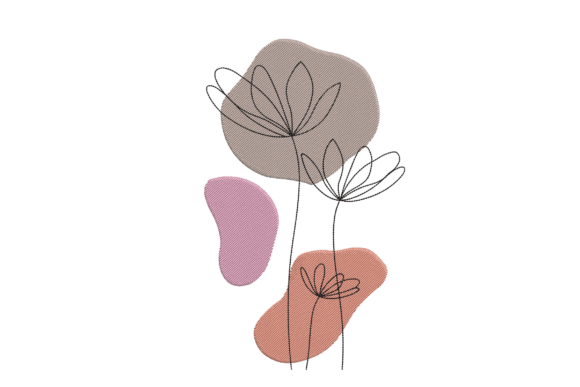
When I first opened the file for Minimalist Line Art Flower Embroidery, I was struck by its clean, understated elegance. This isn't a design that shouts for attention—it's the kind that quietly enhances. The line art approach gives it a modern, sketch-like quality that feels intentional and artistic. It’s a single flower, but not overly stylized or cartoonish. It has a gentle organic flow, with enough detail to suggest craftsmanship without overwhelming the fabric it’s stitched onto.
The design feels right at home in a variety of settings—whether you're embroidering a tote bag for a boutique shop or adding a subtle accent to a personalized baby onesie. It leans toward a neutral, versatile aesthetic that works well across seasons and themes, which is a big plus for designers and small business owners looking to build a cohesive product line.
Real-World Use: From Sweatshirts to Holiday Gifts
I tested the design on a few different materials and project types to get a sense of how it performs in actual embroidery work. I started with a medium-weight cotton tote bag, using a basic stabilizer and standard embroidery thread. The stitch-out was clean and precise—no distortion or puckering, even in the finer lines of the petals.
Next, I tried it on a soft sweatshirt fabric. The minimal density of the design helped it lay flat without adding stiffness. I appreciated how it didn’t pull or stretch with the knit of the fabric, which is always a concern with line art pieces. I also stitched it onto a baby cap, where the small size and delicate nature of the design added just the right amount of detail without looking too busy.
For holiday gifts, I used the design on tea towels and pillow covers. The minimalist style gave these items a handmade but refined feel—perfect for Etsy listings or craft fair items. It’s also a great fit for personalized gifts, especially when paired with a name or short phrase in a simple font.
Where It Shines—and Where to Be Careful
This machine embroidery design truly excels in projects where subtlety and sophistication matter. It’s ideal for custom apparel, boutique tote bags, and embroidered patches where the design is part of the overall aesthetic rather than the main focus. The clean lines make it easy to pair with other design elements or use as a standalone accent.
However, there are a few situations where caution is needed. Because of the fine line work, it may not hold up well on highly textured fabrics like terry cloth or heavy denim unless you use a good stabilizer and test on a scrap first. Similarly, on very stretchy fabrics like jersey knits, the lines can distort slightly if the hoop tension isn’t just right.
- Avoid using on very small hoop sizes unless you're sure the detail won’t be lost
- Test on dark fabrics—some of the thinner lines may not show up well
- Be cautious on curved surfaces like baseball caps, where thread tension can affect line clarity
If you're planning to sell finished products or digital mockups, be sure to check licensing terms for the design before listing it in your craft business or Etsy shop. Also, test the design in both black and white and color variations to see how it reads on different backgrounds.
Design Impact: Visual Appeal and Customer Response
One of the biggest strengths of this design is how it elevates a product without overwhelming it. In my experience, customers respond well to understated elegance—it feels more intentional and less mass-produced. Whether it's on a sweatshirt or a baby blanket, the Minimalist Line Art Flower Embroidery adds a touch of personality that feels handmade but not overdone.
From a branding perspective, it’s a strong option for small shop owners looking to maintain a consistent visual identity across different product types. It works well in both gender-neutral and feminine-themed collections, and its timeless look means it won’t feel outdated after a season or two.
I also found that it performed well in digital mockups. When used in printable mockups or digital product previews, it rendered clearly and looked professional, which is important for online sellers who rely on accurate visuals to attract buyers.
Designer Notes: Practical Tips for Real Use
Before jumping into a full production run or listing this in your digital embroidery file collection, here are a few practical steps I recommend:
- Test on scrap fabric—especially if you're using a new material or stabilizer
- Check thread color contrast to ensure the fine lines remain visible
- Review stitch density—this design should be light and airy, not heavy or stiff
- Confirm hoop size compatibility before stitching
- Inspect small details under magnification if possible
- Try black and white versions for a more neutral or vintage look
- Compare light and dark fabric backgrounds to see where it reads best
- Use proper stabilizer for stretchy or textured materials
- Check licensing for both personal and commercial use
If you're new to working with applique designs or fill stitch patterns, this line art piece is a great entry point. It doesn’t require complex layering or special techniques, but still offers enough visual interest to stand out in a product lineup.
Final Thoughts: A Versatile Design for Real Projects
Overall, the Minimalist Line Art Flower Embroidery is a solid choice for designers, small shop product creators, and craft business owners looking for a flexible, elegant design that works across multiple use cases. It’s not flashy, but it doesn’t need to be—it’s the kind of design that quietly adds value, enhances presentation, and supports a cohesive brand look.
Whether you're creating holiday embroidery, commercial embroidery, or personalized gifts, this design earns its place in your project toolkit. Just remember to test, adjust, and consider your fabric and end-use before committing to full production. Done right, this little flower can make a surprisingly big difference in your finished product.