Soft Charm in Stitches: Two-Tone Pastel Daisy Flower Embroidery Design Review
First Impressions: A Gentle Touch for Delicate Projects
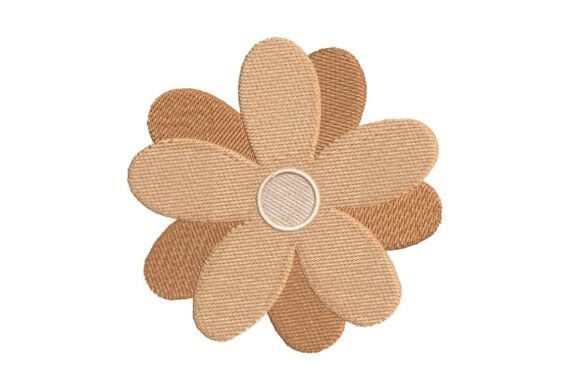
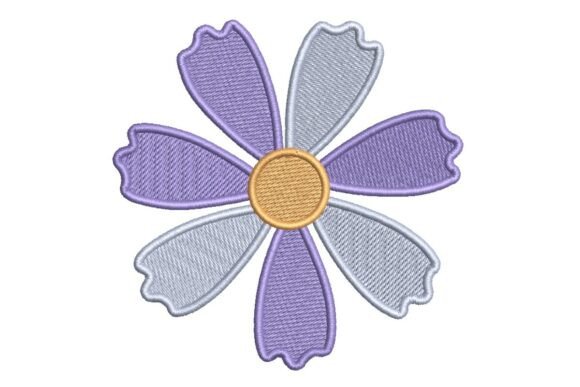
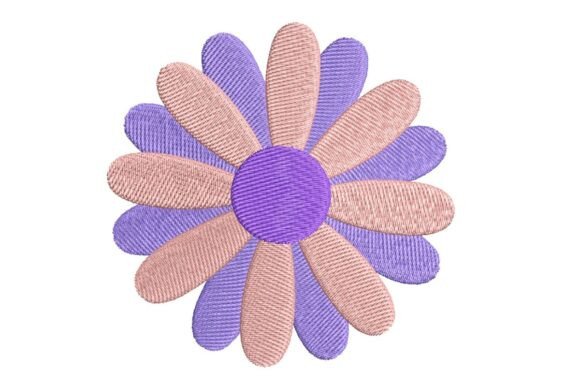
Opening the embroidery file, the Two-Tone Pastel Daisy Flower Embroidery Design immediately caught my eye with its soothing blend of light pink and lavender petals. It’s a design that whispers rather than shouts—perfect for projects that aim to feel soft, approachable, and a little whimsical. The stylized daisy shape is clean and balanced, with a rhythmic alternation of petal colors that gives it dimension without heaviness.
This design feels at home in baby items, boutique apparel, and handmade gifts where warmth and delicacy are key. The texture in the petals adds visual interest, suggesting a satin or light fill stitch technique that could stand out on lightweight cotton or linen.
Real-World Use: From Tote Bags to Baby Onesies
I tested the Two-Tone Pastel Daisy Flower Embroidery Design across a few common project types—starting with a natural cotton tote bag. The design scaled well and stitched cleanly, maintaining its soft character even at a slightly reduced size. On a light gray sweatshirt, the pastel tones gave a subtle pop without clashing with the garment’s base color.
For baby items, like a onesie or burp cloth, this design could be a standout. It’s small enough to fit on a onesie chest or a diaper bag tag, and the gentle colors won’t overwhelm the delicate aesthetic parents often look for. I also tried it on a kitchen towel, and it added a quiet charm that felt both handmade and intentional.
Commercial Appeal: Etsy Listings and Small Shop Merchandise
If you're running a craft business or selling on Etsy, this design could serve as a versatile asset. It pairs well with seasonal themes—think spring gifts, baby showers, or bridal accessories. The daisy motif is timeless, but the pastel tones give it a contemporary twist that appeals to modern shoppers.
When I mocked it up on a printable product preview, the Two-Tone Pastel Daisy Flower Embroidery Design stood out as a premium digital embroidery file. It’s simple enough to attract hobbyists but detailed enough to impress experienced embroiderers. For boutique branding, especially in apparel or home goods, this could become a signature design element across product lines.
Where to Be Cautious: Fabric, Fit, and Functionality
While the design works well on flat, stable fabrics, I noticed some limitations when testing it on stretchier materials like knit baby bodysuits. The textured petals can distort slightly if the stabilizer isn’t properly matched to the fabric weight. On dark backgrounds, the light pink and purple tones may need a color test to ensure visibility—especially if you're aiming for a crisp, clean finish.
For curved surfaces like baseball caps or tight hoop sizes, this design might lose some of its charm. The petal details are subtle, and on smaller scales or curved planes, the contrast between the two pastel tones can blur. I’d recommend using it on larger hoop sizes or items where the design can be centered and fully appreciated.
Stitching Performance: Clarity, Density, and Thread Choices
In terms of stitch clarity, the Two-Tone Pastel Daisy Flower Embroidery Design holds up well. The satin-stitched petals have a smooth finish, and the fill areas are consistent. I didn’t notice any thread breaks or skipped stitches during testing, which is a good sign for reliability.
Thread color contrast is key here. If you’re using pre-colored files, test the thread on your intended fabric. If you’re customizing the colors, consider a slightly deeper lavender or a rose pink to enhance contrast on lighter backgrounds. For darker fabrics, you may want to add a white underlay or choose a metallic accent thread for a more visible effect.
Value Add: Branding, Gifting, and Professional Presentation
From a design perspective, this piece elevates the handmade presentation of a product. Whether stitched onto a pillow cover or a personalized tote, it adds a sense of care and craftsmanship. For Etsy sellers or small shop owners, that’s invaluable—it builds customer trust and increases perceived value.
As a branding element, the daisy motif is versatile. It can be used as a recurring accent across packaging, tags, or product inserts. For gift items, especially baby or bridal gifts, it adds a personal, sentimental touch that buyers appreciate. It’s also recognizable enough to become part of a design suite, especially if you’re building a collection of pastel floral motifs.
Designer Notes: Practical Tips for Best Results
Before stitching into your final product, always test the Two-Tone Pastel Daisy Flower Embroidery Design on scrap fabric. This helps you gauge how the colors and textures will behave on your chosen material. Check stitch density—especially in the textured petal areas—to ensure there’s no puckering or distortion.
- Test on both light and dark fabric backgrounds
- Use appropriate stabilizer for fabric type (cutaway for stretchy, tear-away for stable)
- Verify hoop size compatibility with your machine
- Inspect small details like petal edges and color transitions
- Confirm licensing if selling finished items or digital embroidery files
If you're preparing digital mockups or printable product previews, try a black and white version of the design to see how the structure holds without color. This can help you evaluate its versatility for different branding needs.
Final Thoughts: A Thoughtful Design for Thoughtful Projects
The Two-Tone Pastel Daisy Flower Embroidery Design is a quiet standout—perfect for makers who want to add a touch of softness and elegance to their work. It’s not flashy, but that’s its strength. It fits well into a range of real-life embroidery projects, from custom apparel to boutique gifts, and adds value without overwhelming the product.
Whether you're a hobbyist or a small business owner, this design earns its place in your embroidery library. Just be mindful of fabric choices and scale, and it will stitch beautifully into your next project.